If your yard is where your dog chases squirrels, your cat naps in the sun, and the kids track in mud after every puddle, landscaping needs to work for people and pets at once. At Luxy Landscaping we see this daily: a carefully planted bed turned into a digging site, a beautiful mulch that makes paws slick, or toxic ornamentals planted with the best intentions. Good design solves those problems without cutting corners on beauty or resale value. This guide collects practical, experience-driven advice you can use now, whether you live in Kitsilano or North Vancouver and whether you are planning a full redesign or a weekend refresh.
Why pet-focused landscaping matters in Vancouver The Pacific northwest climate shapes how plants grow and how pets interact with the landscape. Mild, wet winters mean green growth most of the year, but wet soil also means more mud. Shade-dominant yards require different groundcovers than sun-drenched courtyards. Beyond climate, there are simple safety and maintenance reasons to plan with pets in mind. Unintentional ingestion of toxic plants is more common than many homeowners expect, and muddied paws stain decks and carpets. Thoughtful choices reduce trips to the vet, keep lawns healthier, and make outdoor spaces enjoyable for everyone.
Start with durable surfaces and smart zones One of the first conversations we have with clients is about activity zones. Dogs crave running loops and scent exploration. Cats like vertical spaces and sun patches. People want seating, paths, and low-maintenance planting. Map the yard into areas: active play, quiet lounging, transit paths to the gate, and service zones for bins and compost. Zoning prevents conflict between high-use areas and delicate plantings.
For surfaces, avoid fine bark mulches where dogs dig or roll. Our preferred alternatives in Vancouver yards are pea gravel for high-traffic borders, compacted decomposed granite for play paths, and short-fiber turf where running is the main activity. Each choice has trade-offs. Pea gravel drains well and keeps paws clean, but small stones can be noisy and uncomfortable for very small dogs. Decomposed granite compacts firm underfoot but can migrate to beds over time. Synthetic turf solves mud but traps heat on sunny days and requires infill choices that are non-toxic. Talk through your pet's behavior before committing.
Choose plants that tolerate paws, teeth, and humidity Plants selected for beauty alone often fail when pets are present. Think durability first, toxicity second, and then form and seasonality.
Durability Select shrubs and perennials that can take occasional trampling. Low, spreading plants with tough foliage work well. Examples that perform reliably in our Vancouver projects include sedums, Helleborus species, and certain ornamental grasses. Avoid fragile stems and tall perennials that flop when brushed. When you want showy shrubs, place them out of the main play corridor or behind a low barrier so they keep their shape.
Toxicity Pet safety is non-negotiable. Many common garden plants are toxic to dogs and cats, including some lilies, azaleas, and daffodils. When clients ask for a list of safe plants, we provide options but also explain context: quantity matters, as does the likelihood a pet will chew. A small sprig eaten rarely causes harm, whereas persistent nibbling does. If you have a curious puppy, prioritize non-toxic groundcovers and delay planting potentially hazardous ornamentals until your pet matures.
Humidity and disease Vancouver's wet summers encourage fungal pressure on plants with tight, succulent foliage. Choose varieties with good air circulation and spacing to reduce rot. Avoid dense, shallow-rooted groundcovers in spots that puddle. A little extra spacing goes a long way toward plant longevity and reduces the temptation for pets to seek dry patches in soil that stays soggy.
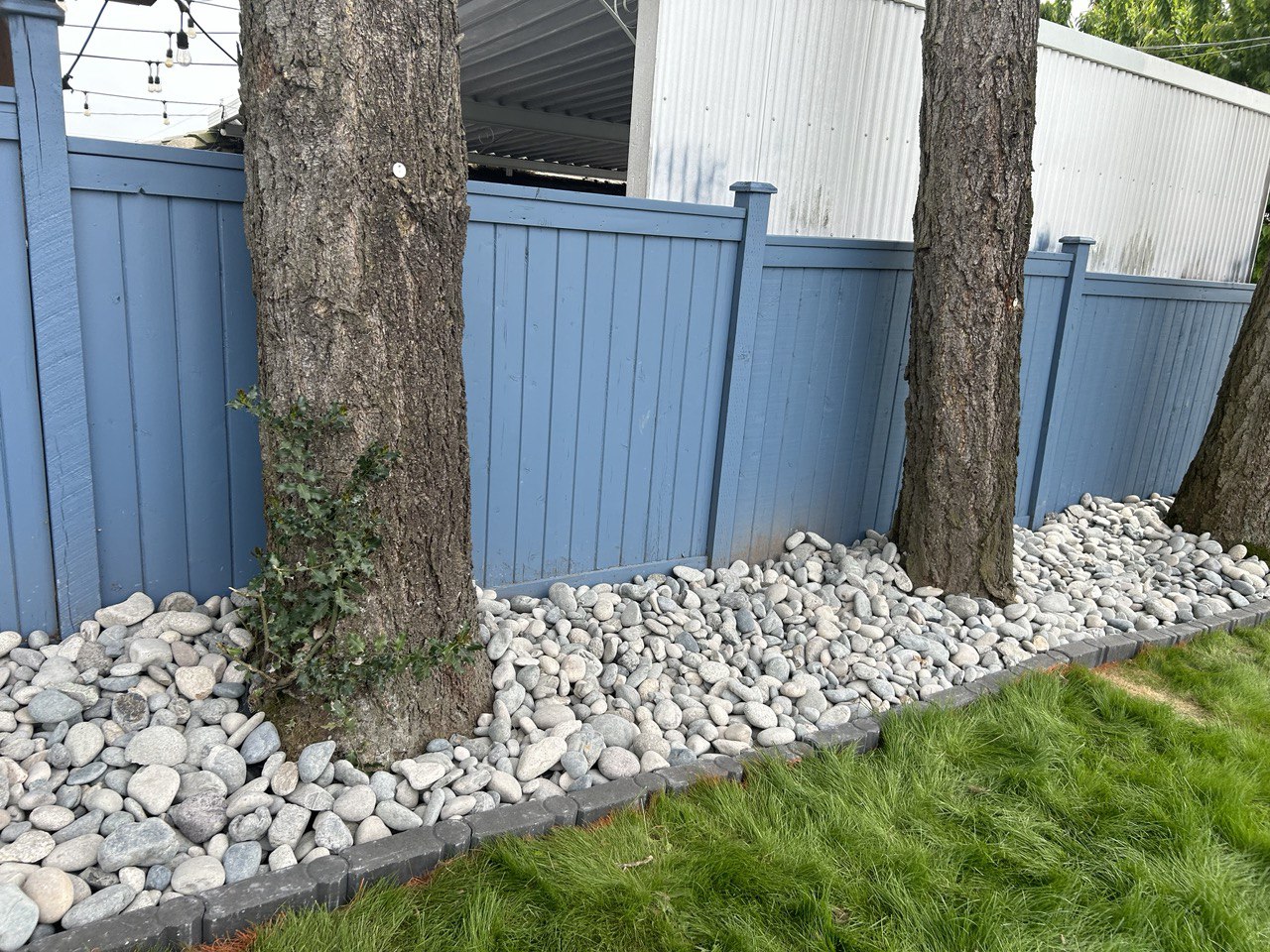
Design for drainage and mud control Mud is the top complaint we hear from pet-owning clients. The simplest solution is improved drainage. If water pools in the same spot after a rain, tactical grading and a simple French drain or dry creek bed will redirect runoff. For many yards a shallow gravel swale under a planting bed works and adds a natural-looking feature.
Create hard-surface walkways that encourage use and minimize wear. A 600 mm wide path of compacted gravel, set pavers, or stepping stones gives dogs a predictable route and preserves surrounding planting. For lawns, consider dividing the area into multiple smaller runs separated by hedging or low fencing. Rotating access reduces wear and promotes recovery.
Mulch choices matter for safety and cleanliness Mulch keeps soil moist and suppresses weeds, but not all mulches are pet friendly. Cocoa mulch smells nice and looks tidy, but it is toxic to dogs. Fine bark mulches turn into mud quickly in the winter and stick to fur. We prefer these milder options in pet yards: chopped hardwood mulch in deeper beds away from direct pet play, pea gravel around base of trees, and weed-suppressing fabric with a light stone topping in high-traffic zones. For planted beds where dogs love to dig, installing a four-inch chicken wire grid beneath the mulch and hidden under a shallow planting substrate deters digging without being visible.
Training and landscape features to discourage undesirable behavior Design and training work together. A raised bed edge that is four to six inches high gives a visual and physical cue to most dogs that the area is off-limits. For dedicated diggers, a sandbox filled with clean, sifted sand placed in an area they already enjoy gives them an approved digging spot. We build sandboxes in client yards frequently, sized to the dog and placed near where owners sit so the dog gets gentle supervision.
For escape artists, a combination of deep-set residential landscaping services Greater Vancouver fencing and planting thorny barrier shrubs like thimbleberry or holly can discourage investigation at the base of a fence. If you are sensitive to wildlife, avoid plants that attract small mammals to the fence line.
Planting for scent, enrichment, and cooling Pets experience the garden differently than people. Planting with their senses in mind produces a more satisfying outdoor life. Dogs are drawn to aromatic herbs like rosemary and lavender, which also repel some pests. Mint species are irresistible to some dogs but invasive, so grow them in pots. Catnip and catmint are obvious choices for cats, and tall cat grass offers a safe snack and is simple to grow in a sheltered container.
Trees and shading are especially valuable in Vancouver summer afternoons. A well-placed deciduous tree provides cooling in summer and light in winter. We often recommend sorbus or prunus species for small yards because they offer spring flowers, manageable size, and good canopy structure. Avoid trees with excessive dropping fruit under seating areas where pets lie.
Irrigation tuned for pets and plant health Automatic irrigation systems keep lawns and beds healthy, but they require pet-aware programming. Dogs that love a sprinkler can wreak havoc on emitters and compact soil around heads. Zone your system so play lawns are separate from beds and trees. Use shorter cycles that run more frequently, reducing surface runoff and puddles. In warmer months, consider early morning watering to allow surfaces to dry by evening, reducing fungal risk and muddy paws after dusk.
Choose slow-release drip irrigation for beds instead of overhead sprays. Drip prevents pets from getting continually wet and reduces the chance of them disturbing mulch. If your dog is particularly water-obsessed, install pop-up sprinkler heads in the lawn zone on a separate timer, which can be turned off when needed.
Managing waste and compost safely Pet waste is a health hazard for humans and plants if not managed correctly. Place a discreet dog-waste station near the gate and choose composting methods that keep pets and kids away from decomposing material. Never add dog waste to garden compost used for edibles. For bins, use secure lidded composters or municipal organics programs where possible.
For compostable plant trimmings, keep piles enclosed or located in an area inaccessible to pets to avoid them digging. If you have chickens or other animals that might be tempted by pet waste, maintain physical separation.
Edible gardens with pets in the yard Many Vancouver homeowners want vegetables and herbs. Raised beds are the best compromise for pets and edibles. Build beds at least 30 cm tall with sturdy sides, fill them with a weed-free soil mix, and install low fencing or cloches for tomatoes and brassicas if a determined dog is nearby. Place cat-safe herbs in pots on a deck rail. If you plan to grow potatoes or root crops, secure the beds during harvest, since dogs often find the scent of turned soil irresistible.
Maintenance routines that extend plant life and protect pets A maintenance schedule tuned to pet activity keeps the whole landscape functional longer. Monthly inspections to check for compacted soil, exposed roots, and displaced mulch prevent small issues from becoming safety problems. Aerate compacted lawn patches in spring and fall, re-grade ruts that collect water, and refresh mulch yearly in high-use beds.
We recommend establishing a three-point monthly checklist: inspect drainage, look for signs of fungal disease, and confirm that fencing and edging are intact. This simple routine prevents the majority of pet-related wear and tear we fix on service calls.
Example project: a small yard retrofit in East Vancouver A client called after years of muddy paw prints and a dead lawn. The yard was 100 square meters, north-facing, with a mature maple that shaded half the area. The dog, a medium-sized mixed breed, loved to run and dig. We divided the yard into a compacted gravel play lane flanked by raised wood-edged beds. We installed a 2.5 meter long sand pit near the back gate to redirect digging and added a strip of low-maintenance dwarf fescue turf where the dog could still sprint. For plants we selected hellebores, sedum, and a line of hardy evergreen boxwood behind the play lane. A sub-surface drain relieved the low spot that had become a perpetual mud bath. The owner reported fewer muddy paws within two weeks, and the grass recovered in the next season thanks to reduced compaction.
Common edge cases and trade-offs to consider People often want the lowest-maintenance solution possible, but that can mean more hard surfaces and less planting. There is a trade-off between greenery and absolute durability. Synthetic turf looks pristine but can be hot in direct sun and lacks the cooling transpiration of real grass. Likewise, gravel provides cleanliness but can shift and require replenishment every few years.
Puppies and senior dogs have different needs. Puppies chew and dig, so delay planting fragile shrubs until they are older, use more robust surface materials, and supervise training. Older dogs need non-slip surfaces, shallow steps, and more shaded rest spots. Design choices that work for a five-year-old Labrador may not suit an elderly beagle.
Budgeting and phased updates You do not need to redo the entire yard to get pet-friendly results. Start with high-impact interventions: install proper drainage in mud-prone areas, add a play path, and replace hazardous mulch. Next season, add planting and edging. For a 200 square meter yard in Vancouver, a phased approach might look like this: year one, drainage and path installation for roughly CAD 3,000 to CAD 6,000; year two, planting and raised beds for CAD 2,000 to CAD 5,000; year three, finishing touches like irrigation and fencing for CAD 1,500 to CAD 4,000. Prices vary widely with materials and labor, but phasing spreads cost and allows you to evaluate how your pet uses the new space.
A short checklist before you start
- Identify primary pet activities and map zones accordingly. Replace toxic or fragile mulches with pet-safe alternatives. Improve drainage in low spots to eliminate mud. Choose durable, non-toxic plants and keep edibles in raised beds. Install defined paths and consider a designated digging area.
Final persuasive note Landscaping in Vancouver BC that works for both people and pets is an exercise in priorities and compromise. With thoughtful surfacing, smart plant selection, and a few behavioral tools, you can create a garden that stays tidy, keeps pets safe, and still feels lush. At Luxy Landscaping we design Landscaping Services Greater Vancouver BC with these realities in mind, balancing aesthetics and resilience so owners stop apologizing for their yards and start enjoying them again. If your outdoor space is underperforming, a targeted retrofit often solves the key problems without a total overhaul.
Luxy Landscaping
1285 W Broadway #600, Vancouver, BC V6H 3X8, Canada
+1-778-953-1444
[email protected]
Website: https://luxylandscaping.ca/